"AI-powered" is stamped on everything from sticker printers to robot vacuums this year. Some of that is marketing fluff. Some of it is genuinely useful. And a couple of recent incidents are a good reminder that "AI" plus "microphone" plus "kid's bedroom" is a combination worth thinking through before you buy.
Here's a rundown of AI gadgets actually worth a look right now both for kids and for adults. I have also provided some safety and privacy that is important to consider.
Prices and availability current as of July 2026 and subject to change.
For kids
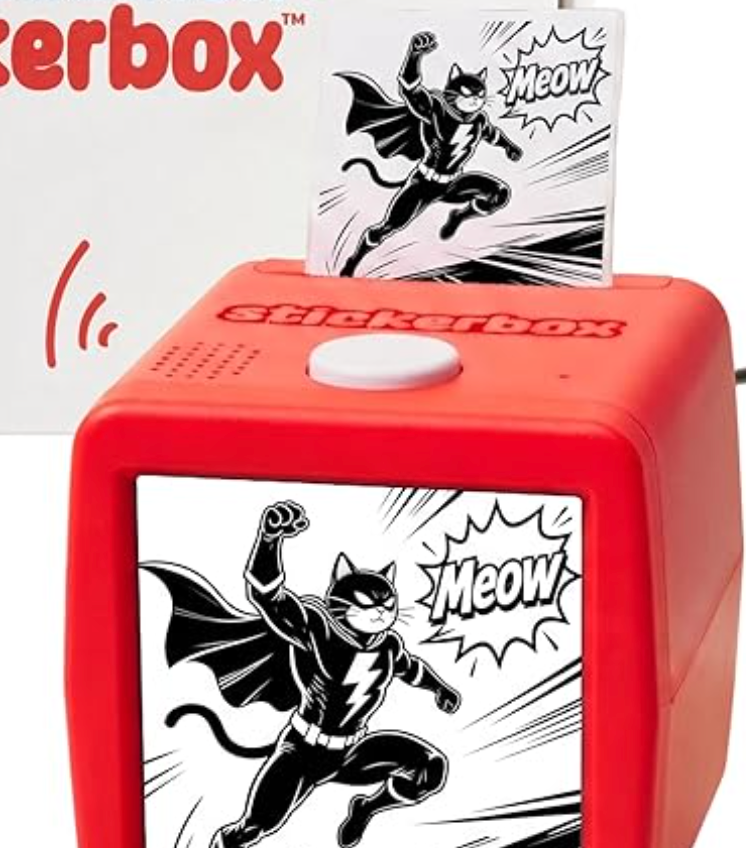
Stickerbox — $129.99 A kid speaks an idea out loud, the built-in AI turns it into an image, and a thermal printer spits out a black-and-white sticker to color in. No ink, no screen, and the mic only activates while a button is held. This is a meaningfully different design choice from toys that listen continuously. Built-in filters block inappropriate prompts. Aimed at kids 5 and up. View on Amazon
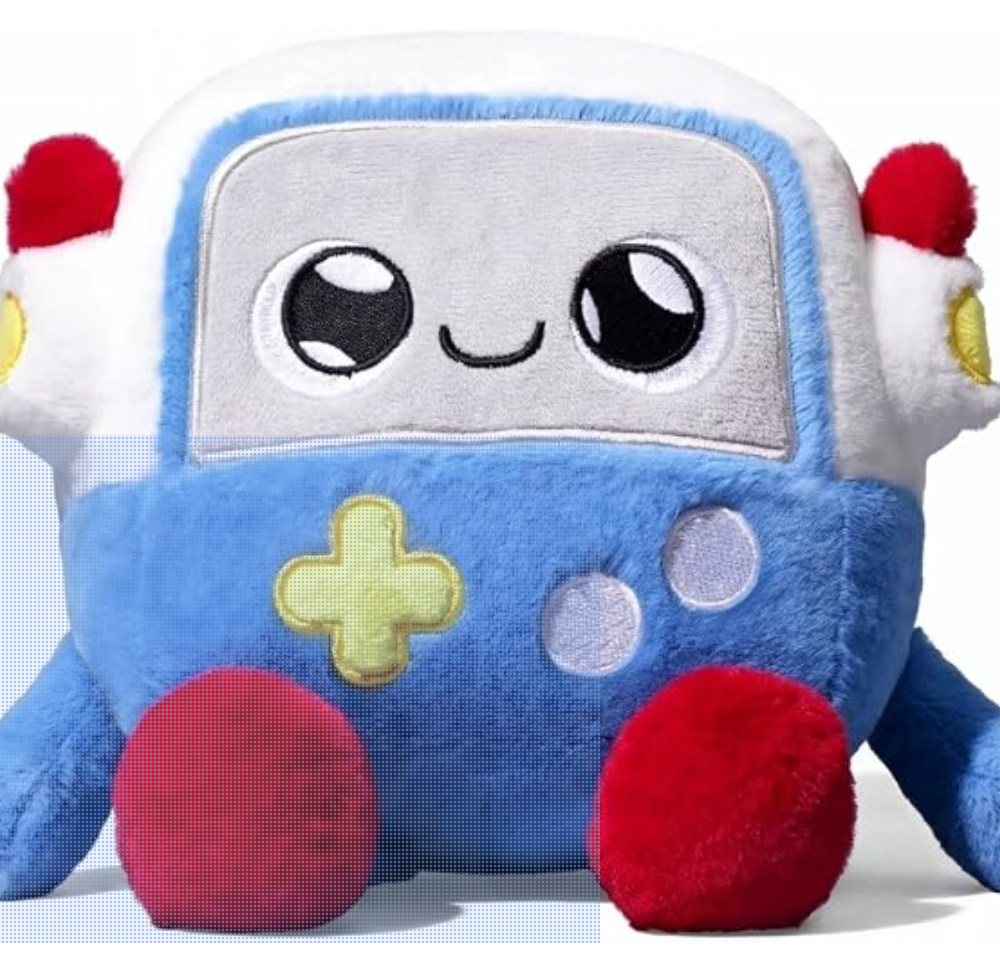
Curio Gabbo — around $99 An AI plush companion for ages 3+ that has actual back-and-forth conversations, tells stories, and answers questions using voice, with no screen involved. It's one of the more polished entries in the "AI friend for your kid" category that's exploded over the past year. Be sure to read the privacy policy these types of devices before you buy (more on that below). View on Amazon
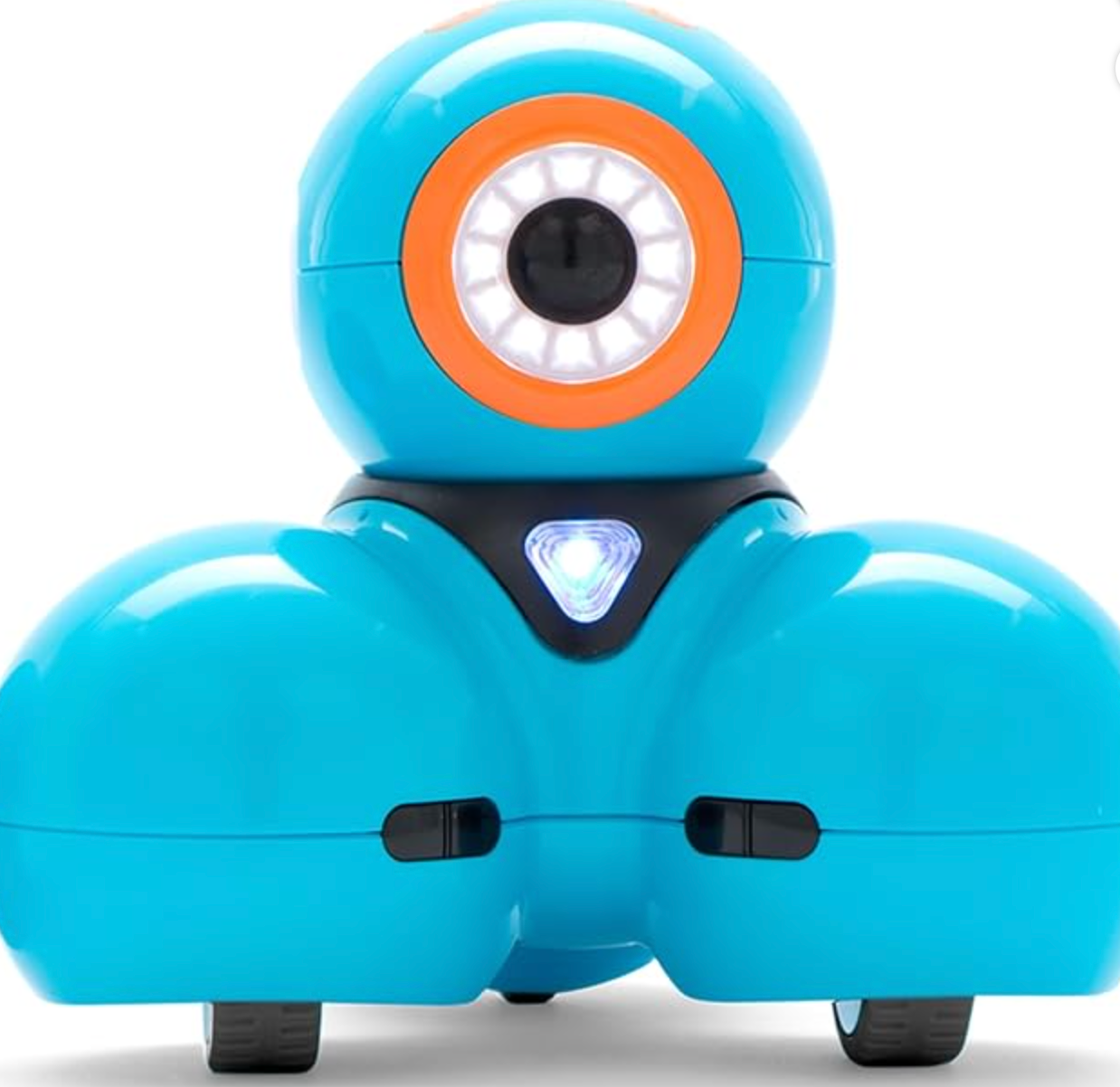
Wonder Workshop Dash — $189.99 (ages 6+) Worth including precisely because it's a lower-risk pick: Dash is a voice-activated coding robot that responds to commands and teaches sequencing, loops, and basic programming logic through an app, but it is NOT running an always-on conversational AI that logs and stores what your kid says to it. If you want the "smart toy" experience without the chatbot-companion privacy questions, this is the category to look at instead. View on Amazon
For adults
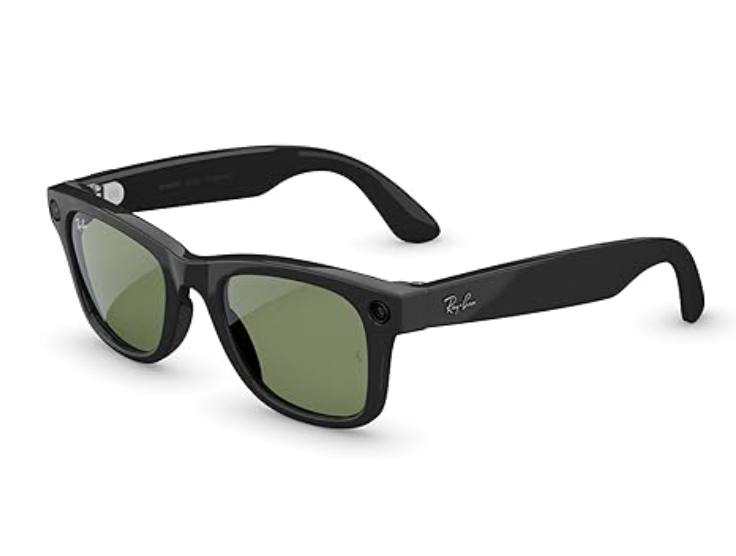
Ray-Ban Meta (Gen 2) Smart Glasses — starting at $379 Real glasses with a 12MP camera, open-ear audio, hands-free video capture, and Meta AI built in for object identification, translation, and voice queries. The most mainstream AI wearable on the market right now and also the one drawing the most scrutiny over what happens to the people around the wearer (see below). View on Amazon
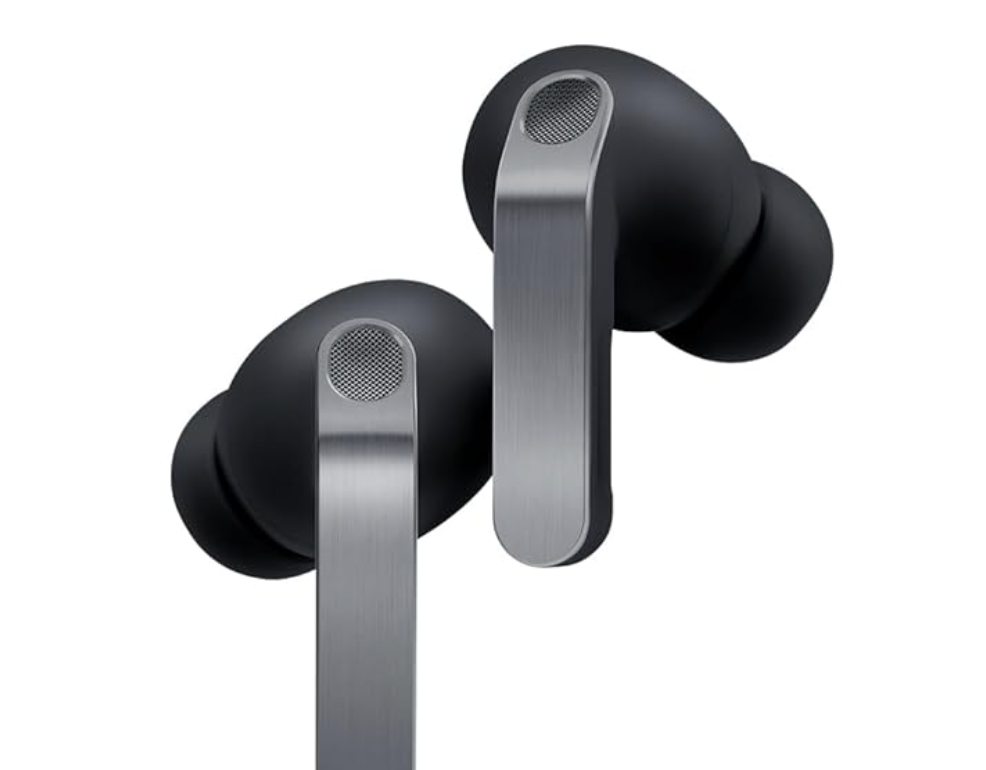
Samsung Galaxy Buds4 Pro — $249.99 A dual-driver, two-way speaker setup and Adaptive ANC 2.0 that adjusts noise cancellation in real time. Paired with a Galaxy phone, they unlock hands-free AI assistant access and notably better call quality. This is a genuinely useful, low-drama use of "AI" in a gadget. View on Amazon
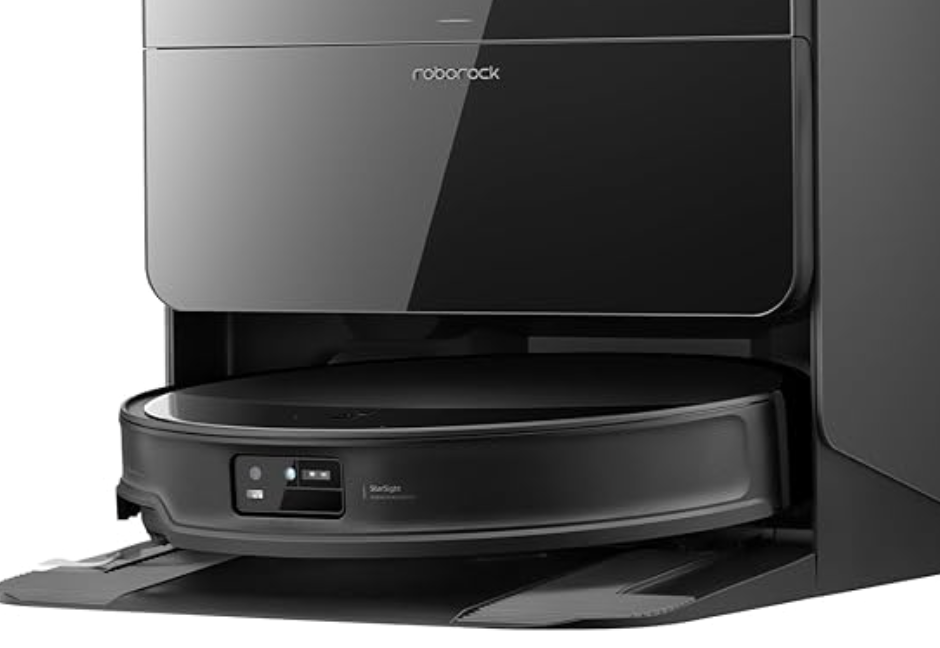
Roborock Saros 10R Robot Vacuum — $1,299.99 This is where "AI" earns its keep in a boring, practical way: AI-driven obstacle avoidance and mapping, a 3.14-inch ultra-slim body that slides under furniture other robots can't reach, and a self-washing, self-drying dock. Not cheap, but one of the more genuinely capable robot vacuums you can buy. View on Amazon
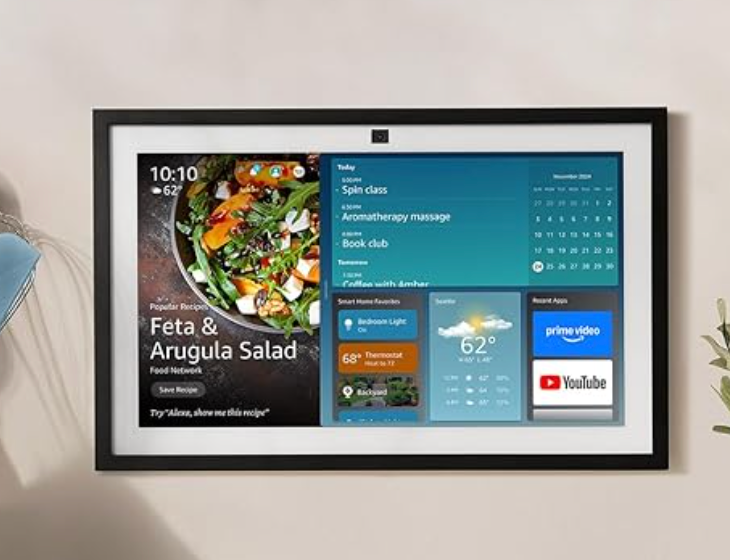
Amazon Echo Show 15 with Alexa+ — $299.99 (frequently discounted) A 15.6-inch smart display that runs Amazon's more conversational Alexa+ assistant, with built-in Fire TV. If you want a household AI hub rather than a phone app, this is the default pick, though it comes with the same always-listening tradeoffs as any smart speaker. View on Amazon
The safety and privacy part
This is the section worth actually reading before you buy any of the above, especially the kids' toys.
AI toys have had a real, documented breach. In January 2026, security researchers found that an AI companion toy called Bondu had left more than 50,000 children's chat transcripts exposed on a web console which was accessible to anyone who logged in with a Gmail account. That included full conversation histories, names, birthdates, family details, and device information (Wired, via Proton). It's not an isolated category problem, earlier connected toys like CloudPets and My Friend Cayla suffered similar breaches years before AI chat made the data these toys collect even richer.
The underlying issue: AI companion toys need to send what your kid says to a cloud-based language model to generate a response, which means the conversation has to be stored and transmitted somewhere first. Privacy researchers at Proton put it bluntly: if you can avoid an AI-connected toy that stores cloud conversation data, that's currently the safer choice, particularly for kids under five. If you do use one, look for toys that process locally rather than in the cloud, read the privacy policy for retention terms, disable cloud backup and voice-storage features where possible, and keep the device out of bedrooms.
Smart glasses raise a different kind of privacy question. It is not about the wearer's data, but about everyone else's. Because Ray-Ban Meta and similar glasses let you record hands-free while making eye contact, bystanders often can't tell they're being filmed. Legal researchers have pointed out that consent frameworks built for apps and websites don't really map onto a coffee shop. There's no cookie-banner equivalent for "I'm wearing a camera" (Forbes). States with strict biometric or wiretapping laws (Illinois's BIPA, for one) create real legal exposure here too, and reporting has surfaced that footage from consumer smart glasses has at times been reviewed by outsourced human contractors for AI training purposes. None of that means don't buy them, but it means be thoughtful about where and when you're wearing a camera on your face.
The general rule of thumb: the more a gadget listens, watches, or talks back on its own, the more it's worth spending five minutes on the privacy policy before it comes out of the box. For adult gadgets that mostly do one useful thing well such as earbuds or vacuums, the AI is mostly just a feature. For anything marketed as a "companion," "assistant," or "friend," especially for a child, treat the data question as seriously as the price tag.
As an Amazon Associate, this post may earn from qualifying purchases made through the links above.